Omythic
A working vocabulary
for brand.
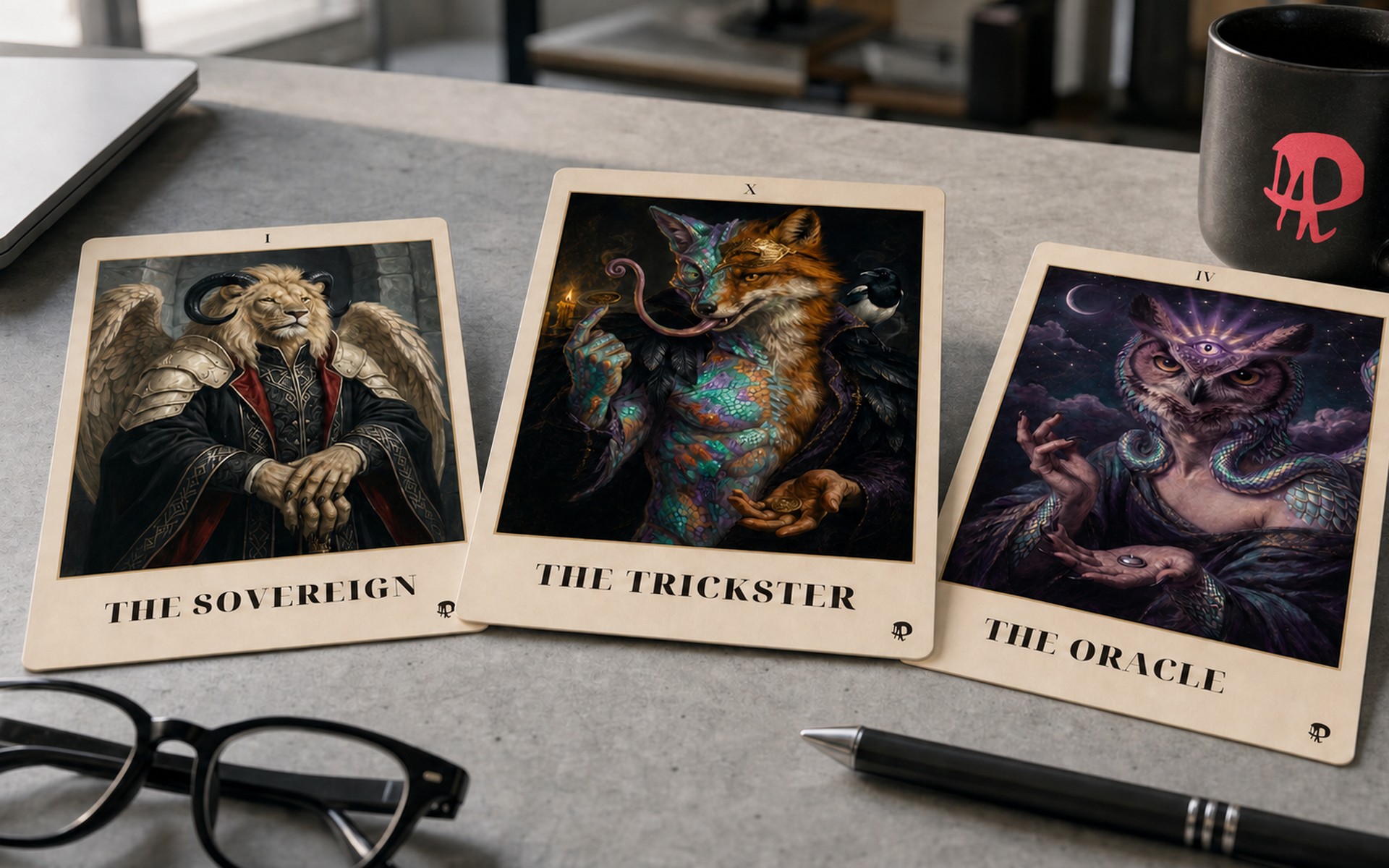
Fifteen archetypes that name how brands actually behave. A bestiary that goes deeper. A stack that combines them. A reading that surfaces yours. A council that answers your real problem in three voices.
I.
The Deck
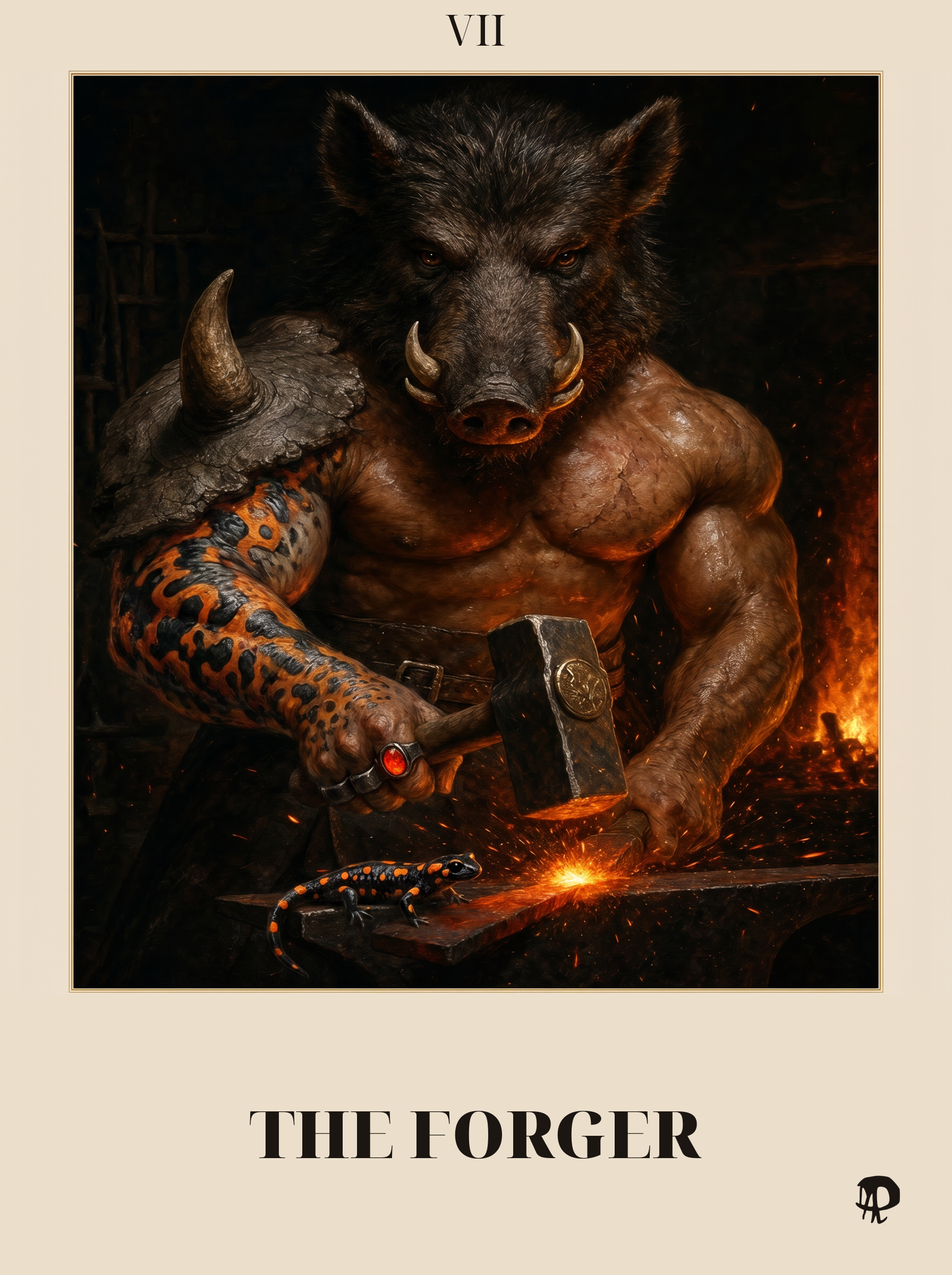
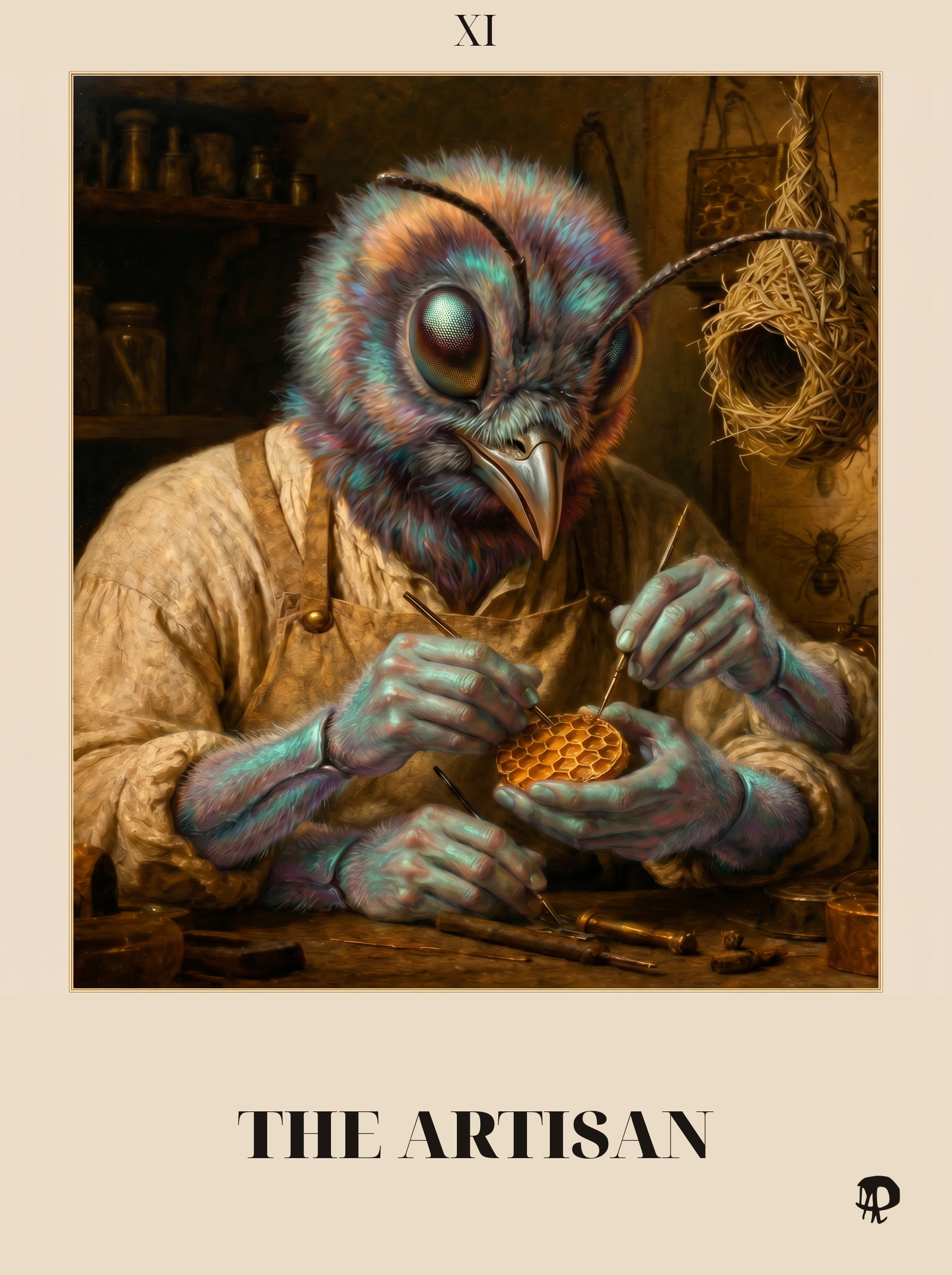
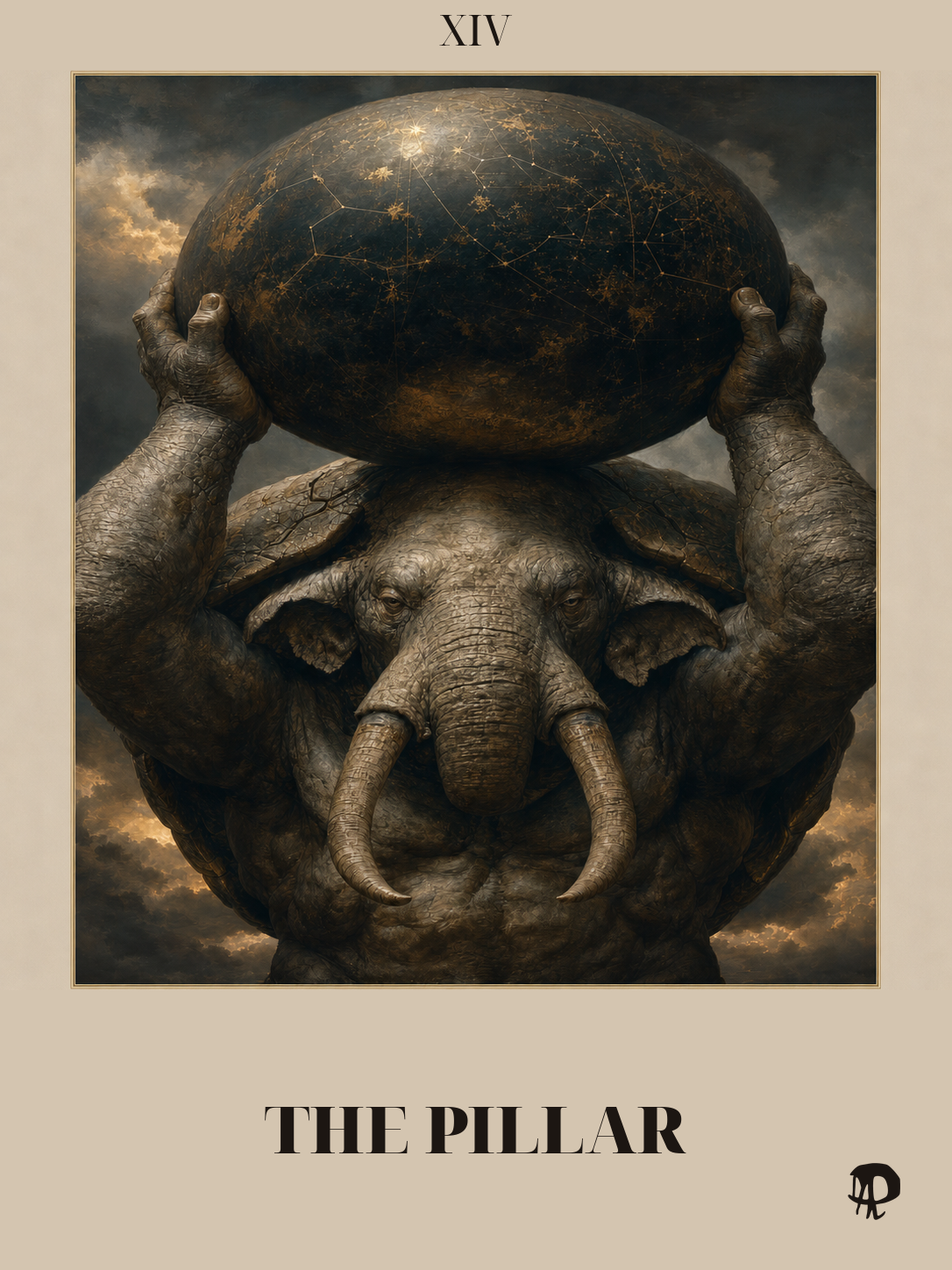
Fifteen postures, named on the front of a card.
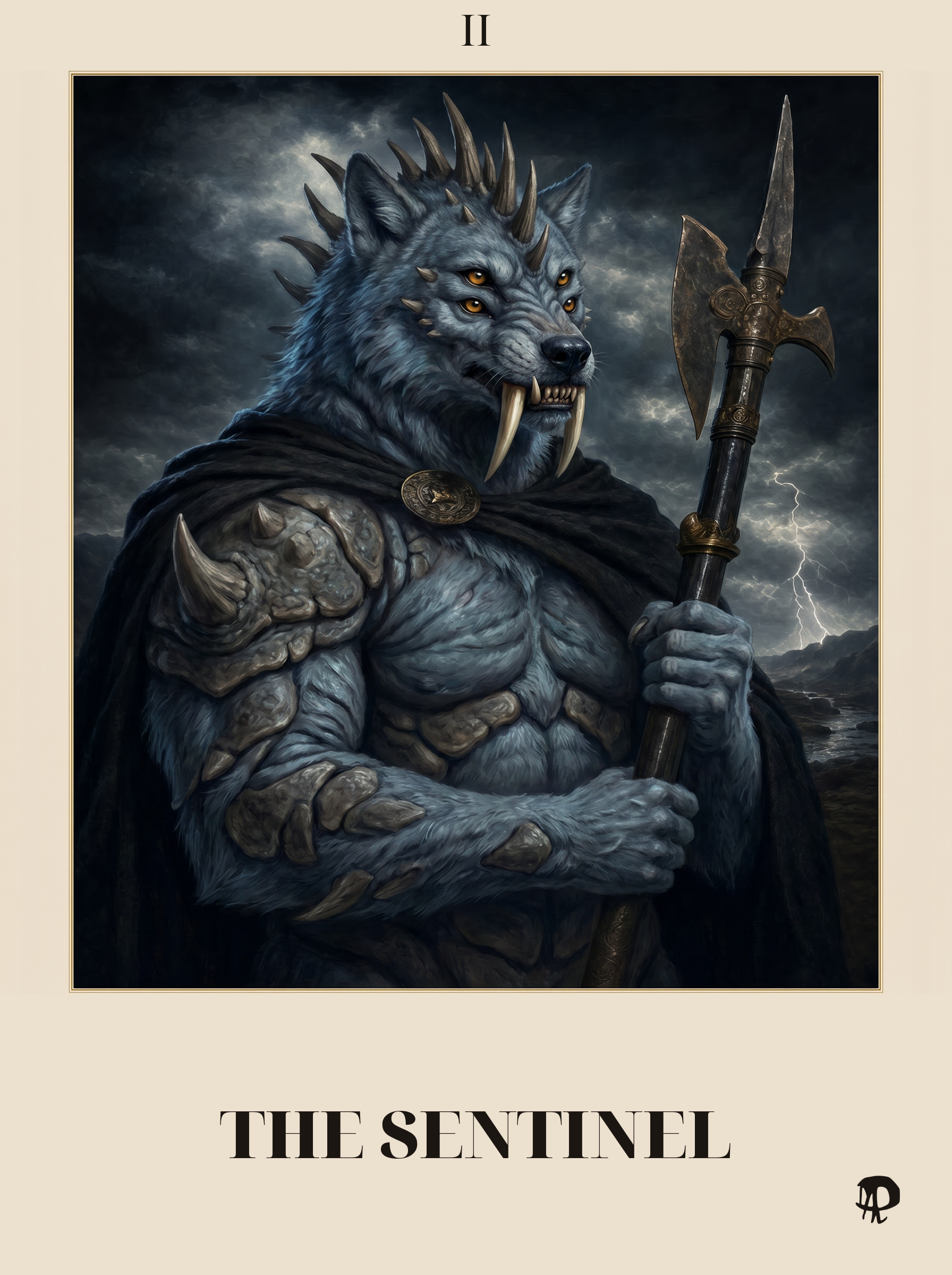
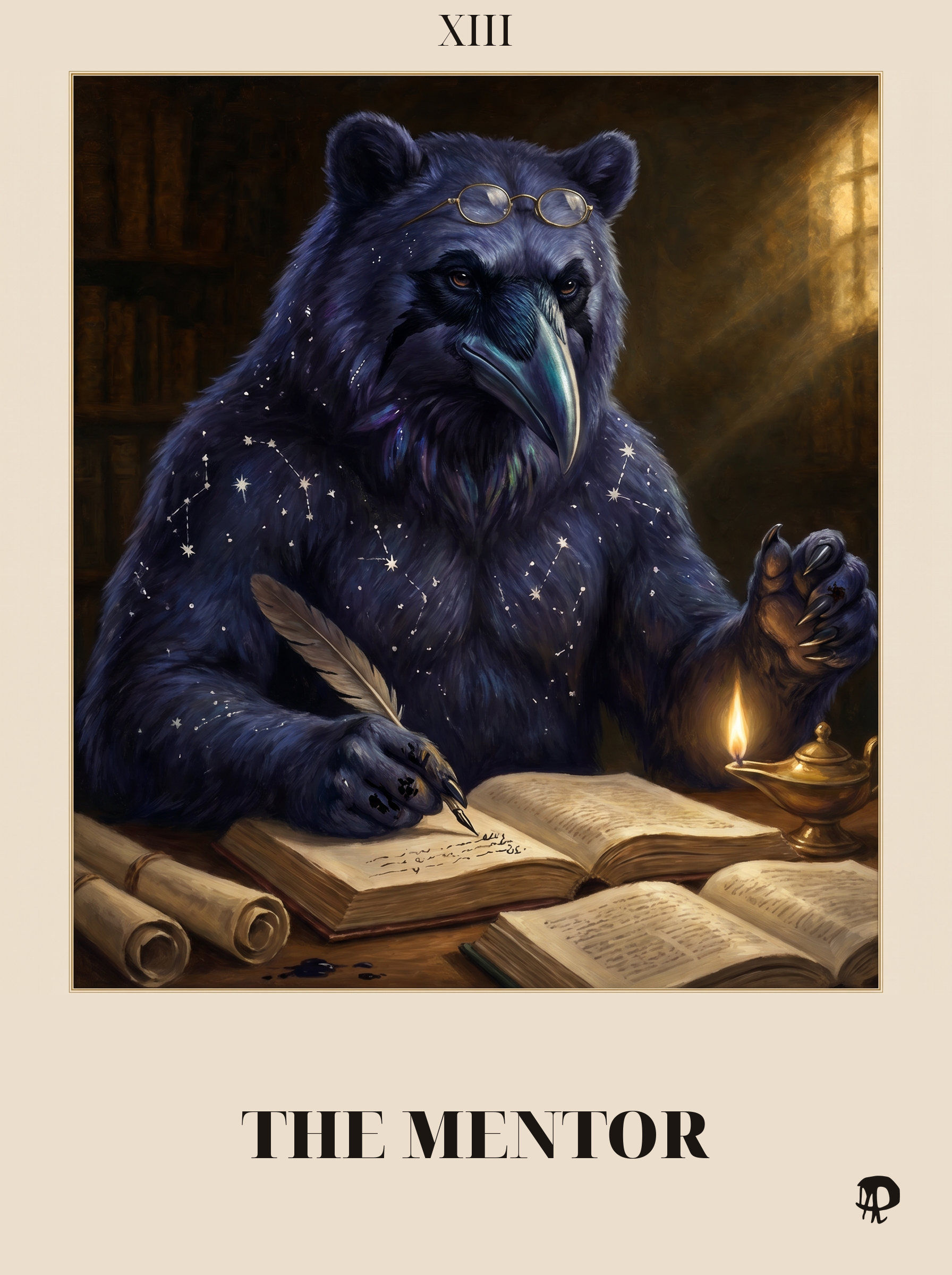
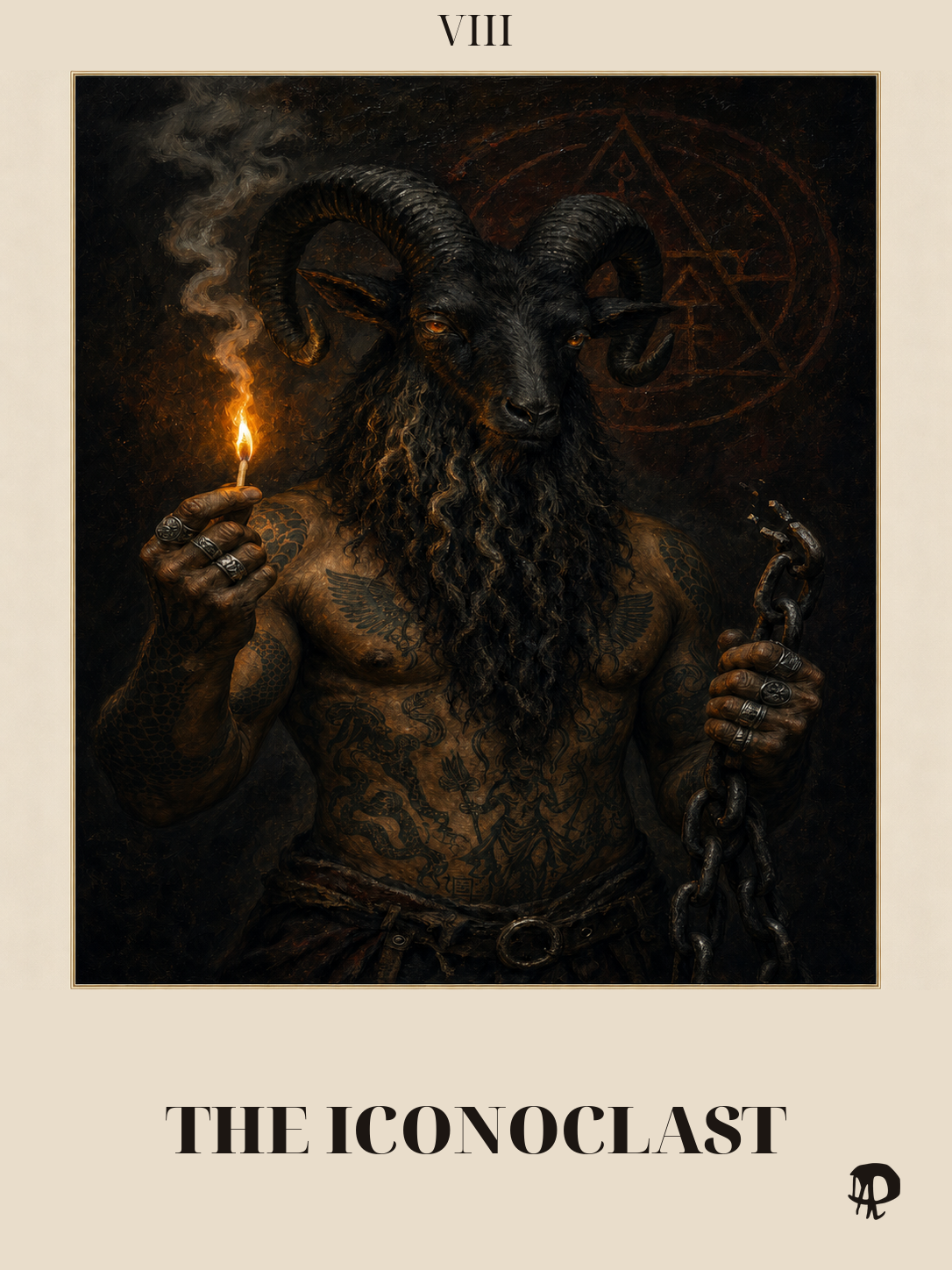
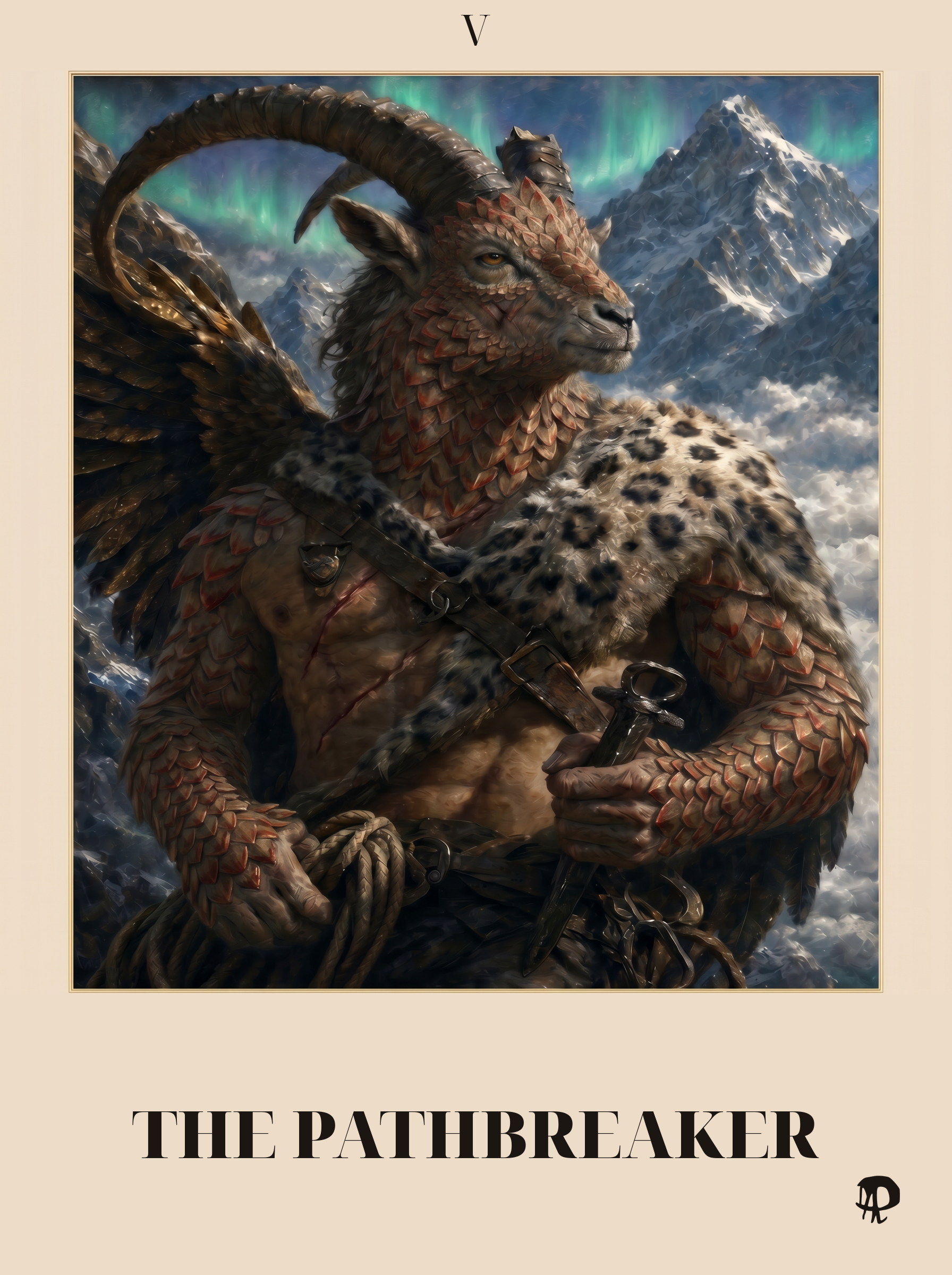
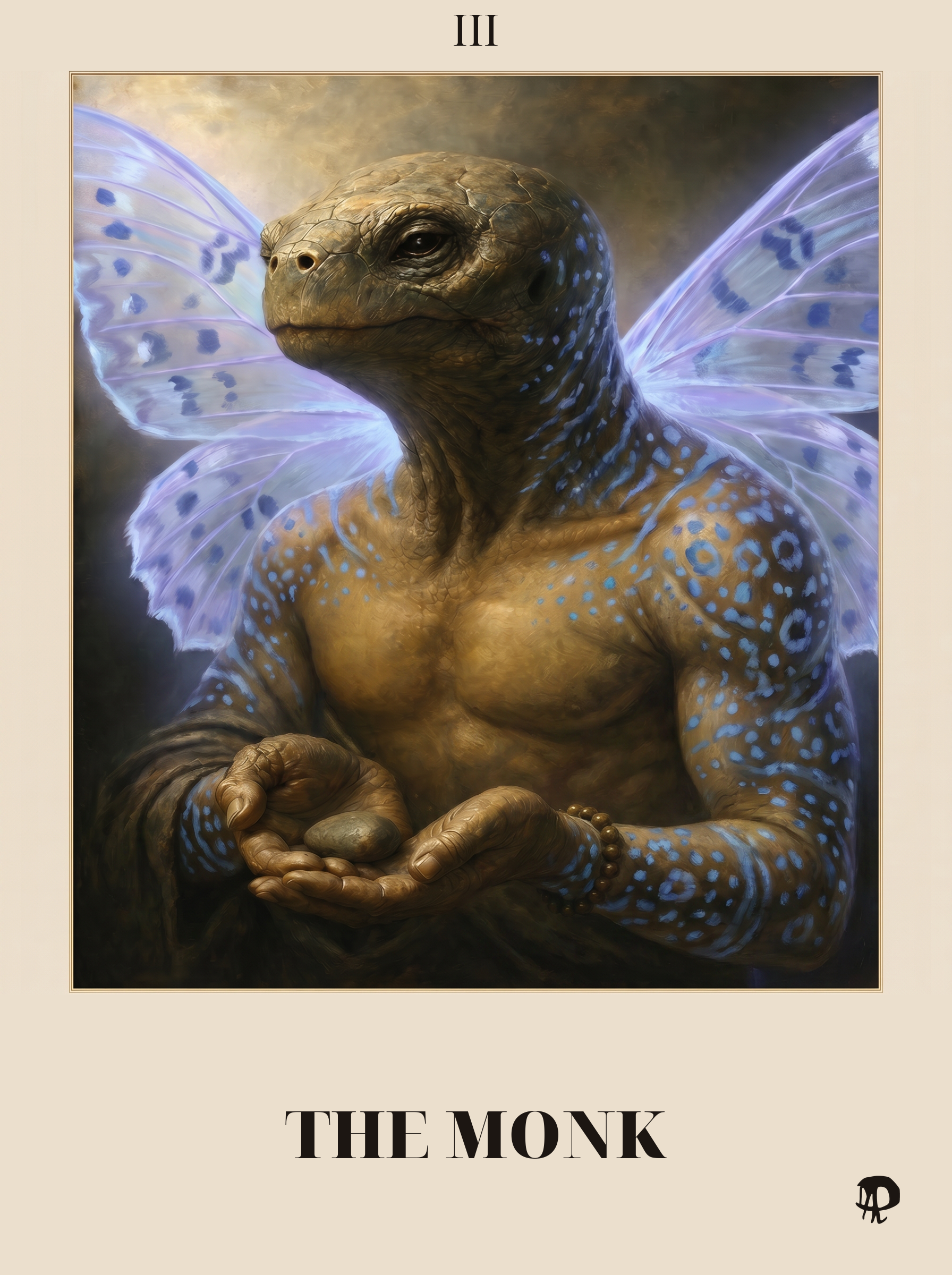
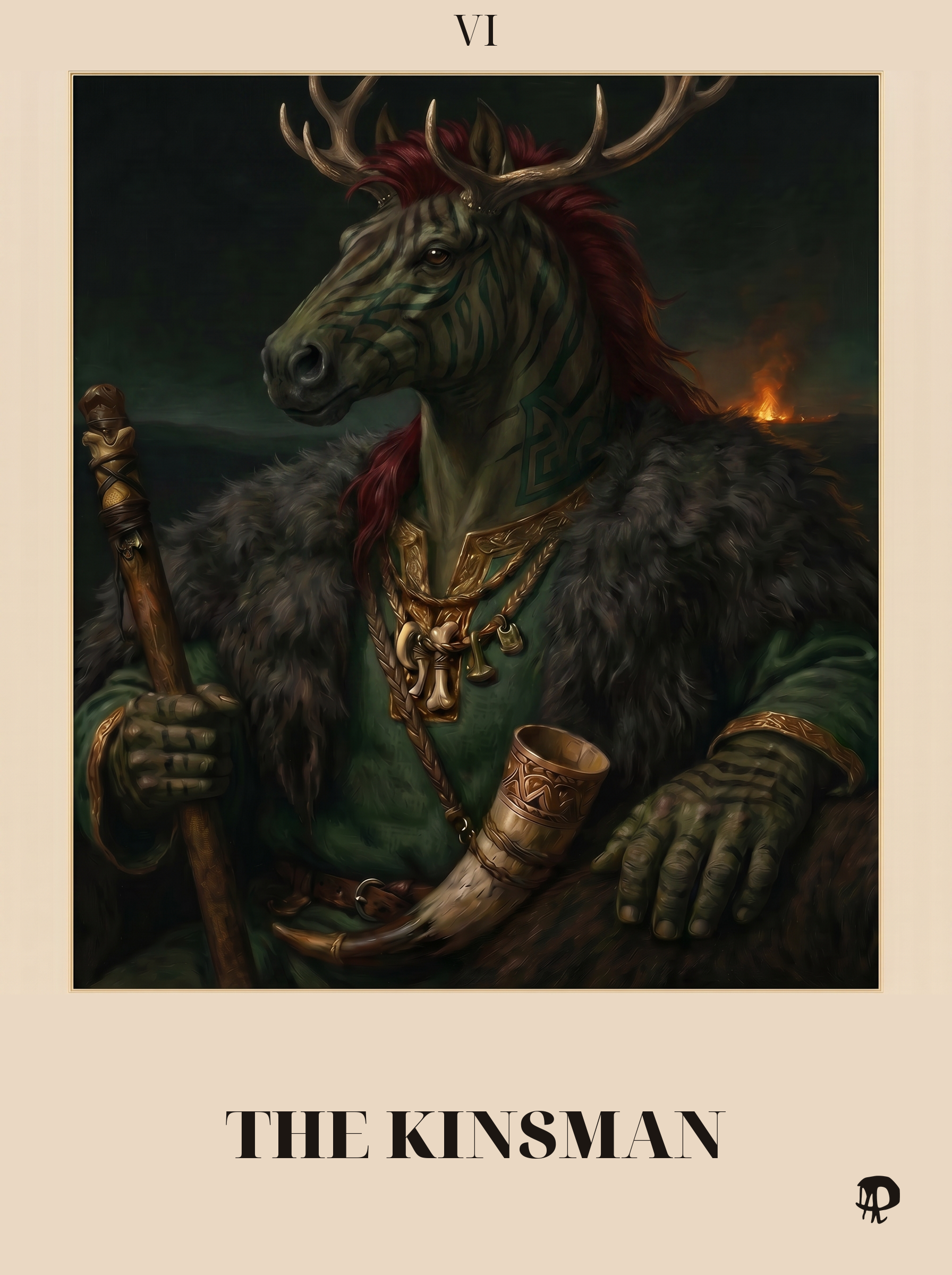
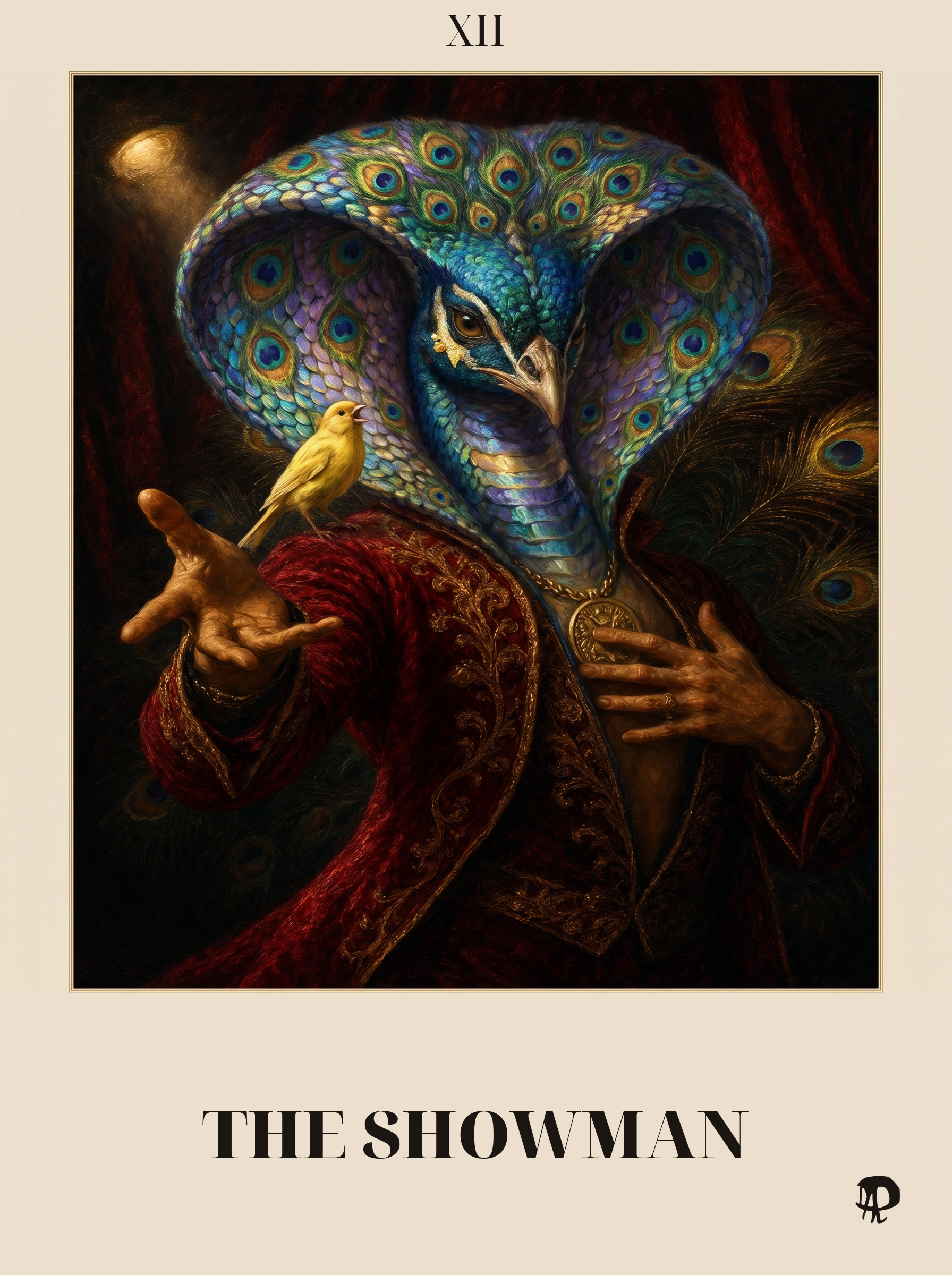
A working language at a glance. Every card carries a name, a numeral, and a single snapshot on the back: essence, voice, shadow, use. The fastest way to point at the archetype a brand is actually running.
II.
The Bestiary
Fifteen essays for when the card is not enough.
What the archetype wants. What it is afraid of. The brands and people who carry it. Who it stands beside. Who it cannot share a room with. And the whisper it tells itself when no one is listening. The Deck names the posture. The Bestiary explains it.
III.
The System
Why fifteen, and not the usual twelve.
A short manifesto. What the deck is, what it is not, who it serves, and the principles behind the count. The argument, in plain language.
“Twelve archetypes were built for narrative. Fifteen are what brand actually needs.”
IV.
The Stack
Sign. Rising. Shadow.
A brand is rarely a single archetype. The Stack is the model that explains how three roles combine. What the world sees, what is becoming, and what derails you under pressure.
V.
The Reading
A diagnostic. Two paths. Three cards.
Answer for a brand or answer for yourself. Pick the quick read in three minutes or the comprehensive read in six. The deck deals three cards: your Sign, Rising, and Shadow. No scoring math, no personality test. Just the stack you are already running, named.
VI.
The Council Room
Bring a real problem. Three archetypes answer.
Type the situation you are stuck on. Three archetypes step forward, each with its own diagnosis, language, and move. Disagreement is the point.